

Estimated reading time: 3 minutes
Table of contents
Operating a hybrid vehicle involves understanding the unique challenges that can arise, particularly in hot weather. One common concern for hybrid owners is the “Check Hybrid System” warning. This alert, often triggered by overheating or degradation, can be a source of frustration and confusion. Here, we’ll explore why this issue occurs and how you can effectively address it.
Hybrid vehicles rely heavily on their battery systems, which can be sensitive to temperature fluctuations (learn more in our guide on Keeping Your Hybrid Battery Cool During Hot Weather). In hot weather, the battery pack can become susceptible to overheating. When the battery’s temperature exceeds safe levels, it can lead to reduced efficiency and even potential damage. This is often when the “Check Hybrid System” warning will illuminate.
Causes of Overheating
- Environmental Temperature: High ambient temperatures can directly impact the battery, especially during prolonged exposure.
- Driving Patterns: Frequent stop-and-go traffic, common for rideshare drivers, can increase the risk of overheating.
- Battery Age: Older batteries are more prone to heat-related degradation due to diminished capacity (including issues caused by long-term vehicle inactivity — see Impact of Long-Term Inactivity on Battery Degradation).
The Impact of Overheating on Hybrid Systems
When the hybrid system overheats, it doesn’t just affect the battery. Other components, such as the inverter and cooling system, may also suffer. This can lead to a cascade of problems, reducing your vehicle’s overall performance and efficiency.
Signs of Degradation
- Reduced Fuel Efficiency: As the battery struggles, the vehicle may rely more on the gasoline engine (learn more about all key factors that affect hybrid battery lifespan).
- Performance Issues: You might notice a decrease in power or responsiveness.
- Frequent Warnings: The “Check Hybrid System” alert may become a regular occurrence.
Addressing the “Check Hybrid System” Warning
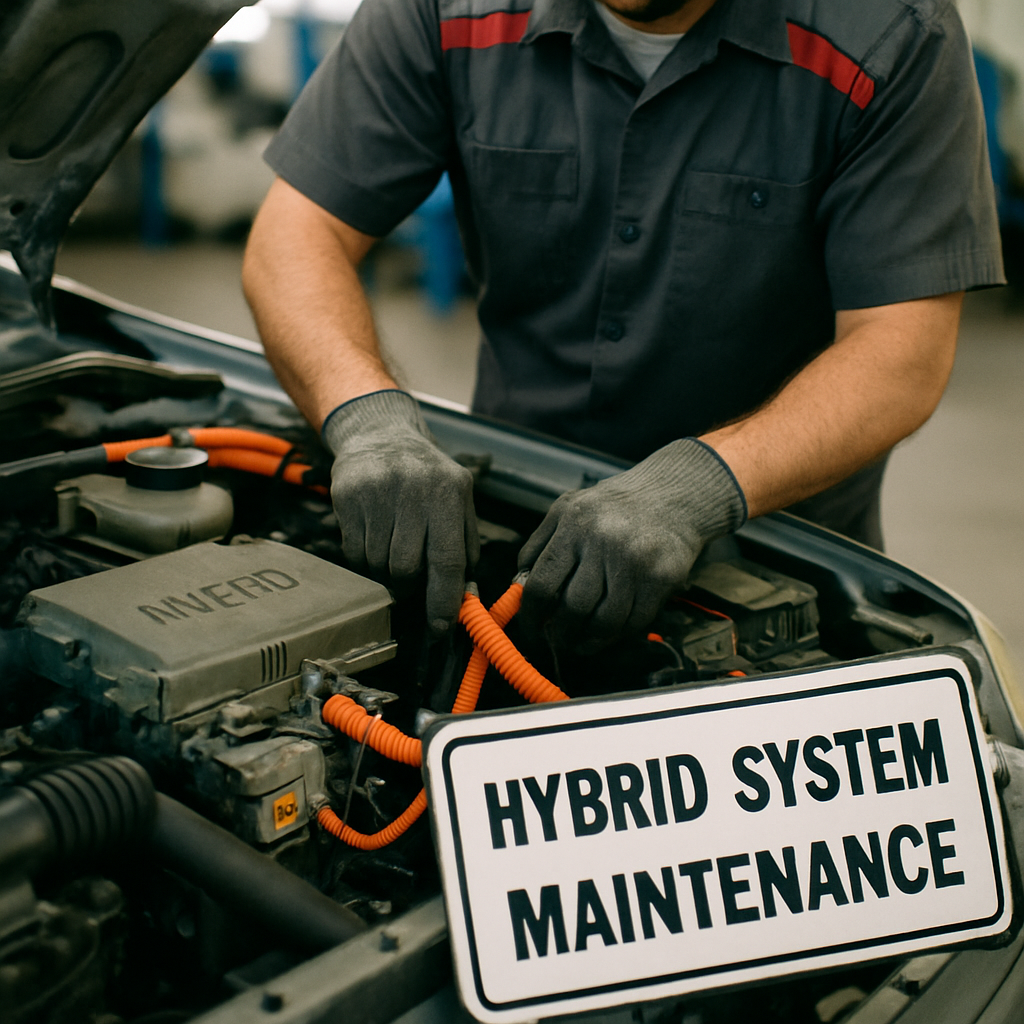
To mitigate the risks associated with overheating and degradation, regular maintenance is crucial. Here are some steps you can take:
- Battery Cooling System Check: Ensure that the battery cooling fan is functioning properly. Dust and debris can obstruct airflow, leading to overheating (learn the key HV Battery Cooling Signs of Clogged Fan and Ducts).
- Software Updates: Manufacturers often release updates that improve system management and efficiency.
- Professional Inspection: Regularly consult with a hybrid-certified technician who can assess the health of your battery and hybrid system. If you drive a Lexus CT200h, see our full guide on How to Diagnose CT200h Hybrid Problems.
Preventative Measures
- Shade Parking: Whenever possible, park in shaded areas to minimize direct heat exposure.
- Moderate Driving Habits: Avoid rapid acceleration and excessive idling in hot weather conditions.
- Routine Checks: Incorporate hybrid-specific checks into your vehicle’s routine maintenance schedule.
By understanding the causes and effects of hybrid battery heat, you can take proactive steps to ensure your vehicle remains reliable and efficient. Whether you’re a rideshare driver aiming to maximize uptime or an auto repair shop owner expanding your services, staying informed is key to navigating the complexities of hybrid vehicle maintenance successfully. If you have further questions or need assistance, feel free to reach out to a certified hybrid technician.
Key Takeaways
- Hybrid System warnings often occur in hot weather due to battery overheating and degradation.
- High ambient temperatures, driving patterns, and battery age contribute to overheating issues.
- Overheating impacts not just the battery but also the inverter and cooling system, reducing overall vehicle performance.
- Regular maintenance, like checking the battery cooling system and updating software, helps mitigate these risks.
- Preventative measures include parking in shade, moderate driving habits, and regular hybrid-specific checks.

